25 September 2026
Birmingham Woman Spends Three Years Fighting Two Parking Charges
A Birmingham woman spent three years challenging two private parking charges issued while visiting a care home where she said her vehicle was authorised. Smart Parking disputed her account and said the charges were correctly issued, but dropped its claim two weeks before the case was due in court.
Three-Year Private Parking Dispute Ends Before Court Hearing
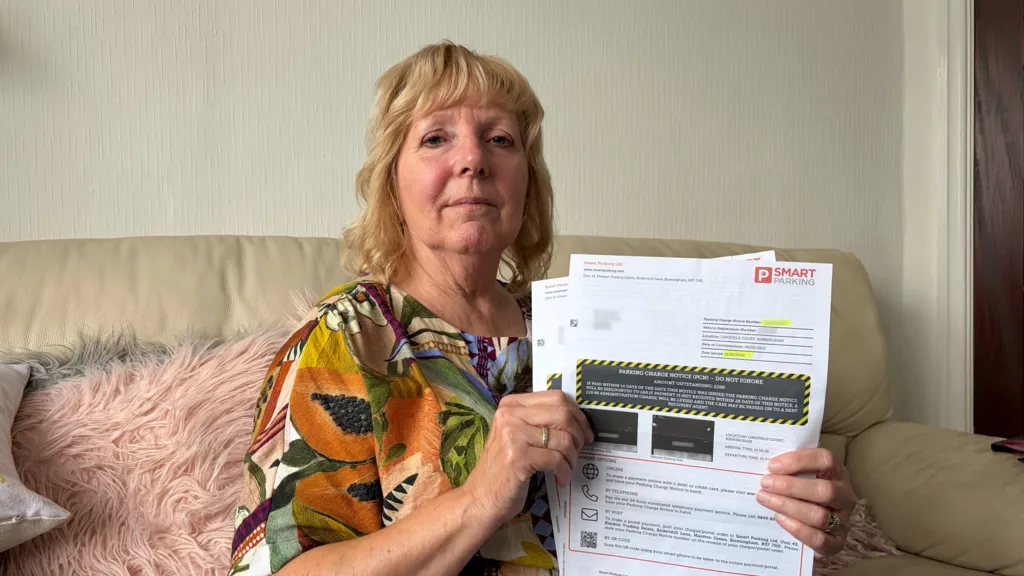
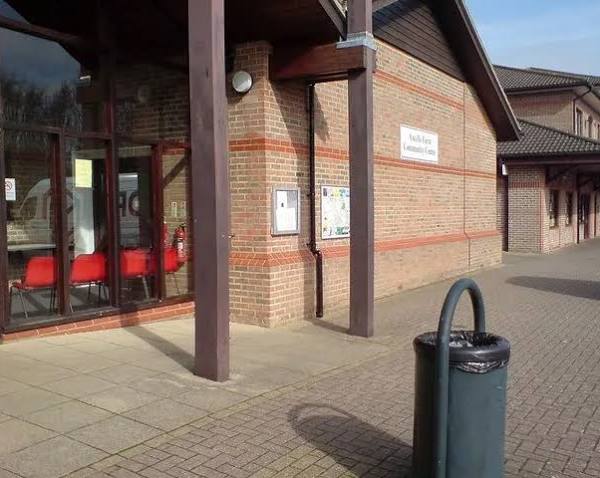
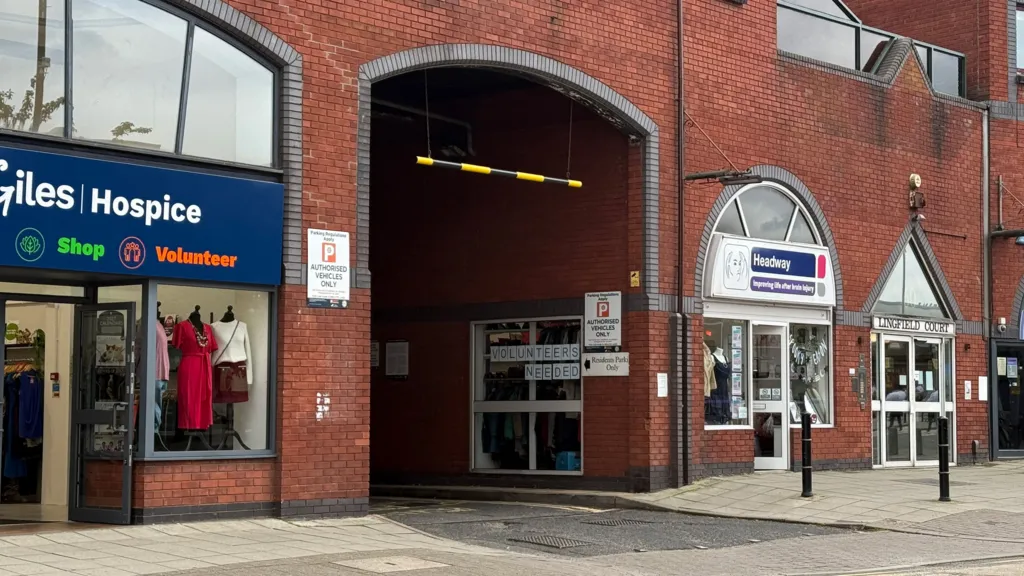
Birmingham Woman Spends Three Years Fighting Two Private Parking Charges A Birmingham woman has spent three years challenging two private parking charges issued while visiting a care home where she says she was authorised to park. Val Price, 70, received the two parking charge notices in September 2023 and February 2024, despite saying her vehicle was on the site's approved whitelist. The dispute was eventually dropped by Smart Parking Ltd just two weeks before it was due to be heard in court. Why were the parking charges issued? Price had been visiting the Harborne care home for around 10 years and said she had permission to use the car park. She told the BBC she had visited the care home more than 100 times, but received two parking charges during the dispute. Price said she appealed the charges but continued receiving demands for payment, including around 30 letters. The family said the car park uses a shared automatic number plate recognition (ANPR) camera system covering land managed by Smart Parking Ltd and Civil Enforcement Ltd. They said Price's vehicle had been parked in an area owned by Civil Enforcement when the two notices were issued. Smart Parking disputes the account Smart Parking told the BBC that Price's vehicle was not authorised to park on either of the two occasions. The company said the charges had therefore been issued correctly and that the car park was managed to prevent parking abuse and ensure spaces remained available for visitors. Smart Parking also said it follows International Parking Community guidelines and that Price's appeals had been rejected. The company said information had been provided about taking the matter to POPLA, the independent appeals service for private parking charges. However, Smart Parking did not explain to the BBC why its claim was eventually dropped. Court action was eventually abandoned Price said the dispute continued for years before Smart Parking dropped its claim shortly before the scheduled court hearing. Her family said the proceedings caused significant stress and uncertainty, while also raising concerns about how private parking disputes are handled once legal proceedings begin. They have since raised the issue with their local MP and are calling for changes to the system governing private parking enforcement. Price's son-in-law Wayne Ashe said the family hoped the experience would give other motorists confidence to challenge parking claims when they believe a charge has been issued incorrectly. The case highlights the importance of keeping records when using private car parks, particularly where parking depends on permits, approved vehicle lists or ANPR systems. Drivers facing a private parking charge should also check the signs, keep relevant evidence and follow the stated appeals process rather than assuming every notice must automatically be paid. For motorists regularly visiting care homes, shops, hospitals, residential developments or other private sites, checking whether their vehicle is authorised before parking can also help avoid disputes. Finding suitable parking before travelling can make these rules easier to understand, particularly when visiting an unfamiliar location. EveryonesParking can help drivers plan where to park before arriving at their destination. The Birmingham case also shows how a parking dispute can become much more complicated when a driver believes they had permission to park but the enforcement company records a different position.
Share this story