11 September 2026
Brighton Western Road Red Route plan could bring major parking changes
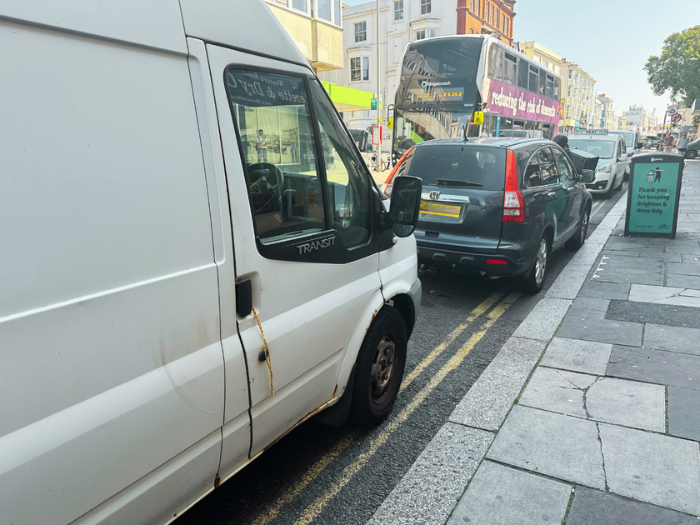
Brighton & Hove Council is preparing to consider a proposed Red Route on Western Road to tackle obstructive parking, congestion and bus delays. The experimental scheme would include new disabled parking and loading facilities, while resurfacing works are also due to begin on 28 September.
Brighton drivers face new parking restrictions under Western Road Red Route plan
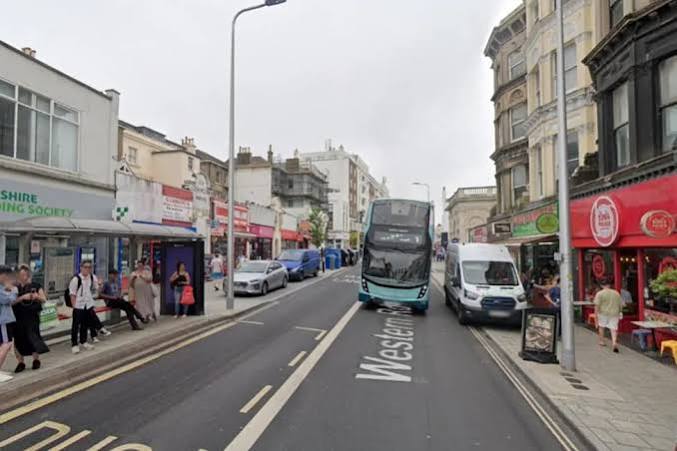
Brighton Western Road Red Route plan could bring major parking changes for drivers Drivers using Western Road in Brighton could face major parking changes as the city council prepares to consider plans for a new Red Route aimed at tackling obstructive parking, congestion and delays. Brighton & Hove City Council’s Cabinet will discuss the proposal alongside plans to resurface the busy route between Holland Road and Montpelier Road later this month. Red Route would target obstructive parking If approved, the Red Route would initially be introduced under an Experimental Traffic Regulation Order, allowing the council to test the scheme and monitor its effects for up to 18 months. The route carries up to 700 buses a day, while daytime bus journeys between Hove and Churchill Square are now 16.7% longer than they were in 2015. The council says vehicles stopping in restricted areas have contributed to congestion and made it harder for buses to reach stops safely and consistently. Between April and August 2026, there were 705 enforcement visits to Western Road, while 684 Penalty Charge Notices were issued during 2025/26. A further 2,315 vehicles were recorded being driven away during the observation period before a Penalty Charge Notice could be issued. The proposed Red Route is intended to reduce this type of obstruction while allowing traffic and buses to move more reliably along one of Brighton’s busiest corridors. What will change for drivers? The proposals are not intended to prevent legitimate passenger drop-offs and pick-ups. Taxis and private hire vehicles would still be able to collect and drop off passengers on Western Road. Camera enforcement would instead focus on vehicles stopping where restrictions apply and causing congestion or safety problems. The council also plans to introduce additional disabled parking bays, including spaces close to healthcare facilities, while Blue Badge holders and disabled passengers would still be able to be dropped off and collected. Businesses could also benefit from new loading arrangements. The scheme includes ten loading bays and around 140 metres of designated loading space along the route. The council says this would provide clearer access for businesses that currently face difficulties when vehicles stop or park in areas needed for deliveries. The Red Route proposal follows consultation involving residents, businesses, cycling groups, bus operators and disability groups. More than 4,700 leaflets were distributed during the six-week consultation, which received 1,032 responses. Of those responding, 50% believed the scheme would improve safety, 53% expected bus journey times to improve and 56% thought traffic flow would improve. Brighton & Hove Buses has also backed the proposal, saying keeping bus corridors clear can make it easier for buses to pull up to the kerb and improve accessibility for passengers, including wheelchair users and people with mobility difficulties. Existing Red Routes elsewhere in the city have been associated with improved bus reliability, fewer road traffic collisions and reductions in bus passenger injuries, according to council monitoring. Western Road is also due to undergo resurfacing from Monday 28 September, with the work expected to take around 45 days. The road will be closed during the works, although pedestrian access will be maintained wherever it is safe and practical. The proposed Red Route would not be introduced simply as a way of generating parking income, with the council forecasting long-term net enforcement income of around £50,000 a year. Instead, the authority says the main aim is to encourage compliance and reduce unnecessary stopping, with the expectation that Penalty Charge Notices will fall as drivers become familiar with the restrictions. For motorists, the key issue will be understanding where they can stop, park, load or drop off once the experimental scheme begins. The ETRO process means the council will be able to monitor the results and make changes if problems emerge before deciding whether the Red Route should become permanent.
Share this story