17 September 2026
Broken Parking Machine: Barrister Explains When You Can Challenge a PCN
A barrister has explained what drivers should consider if they receive a private parking charge after finding a broken payment machine. The outcome can depend on signage, alternative payment methods and whether the motorist can demonstrate that they genuinely had no reasonable way to pay
Parking Machine Broken? Barrister Explains Your Rights
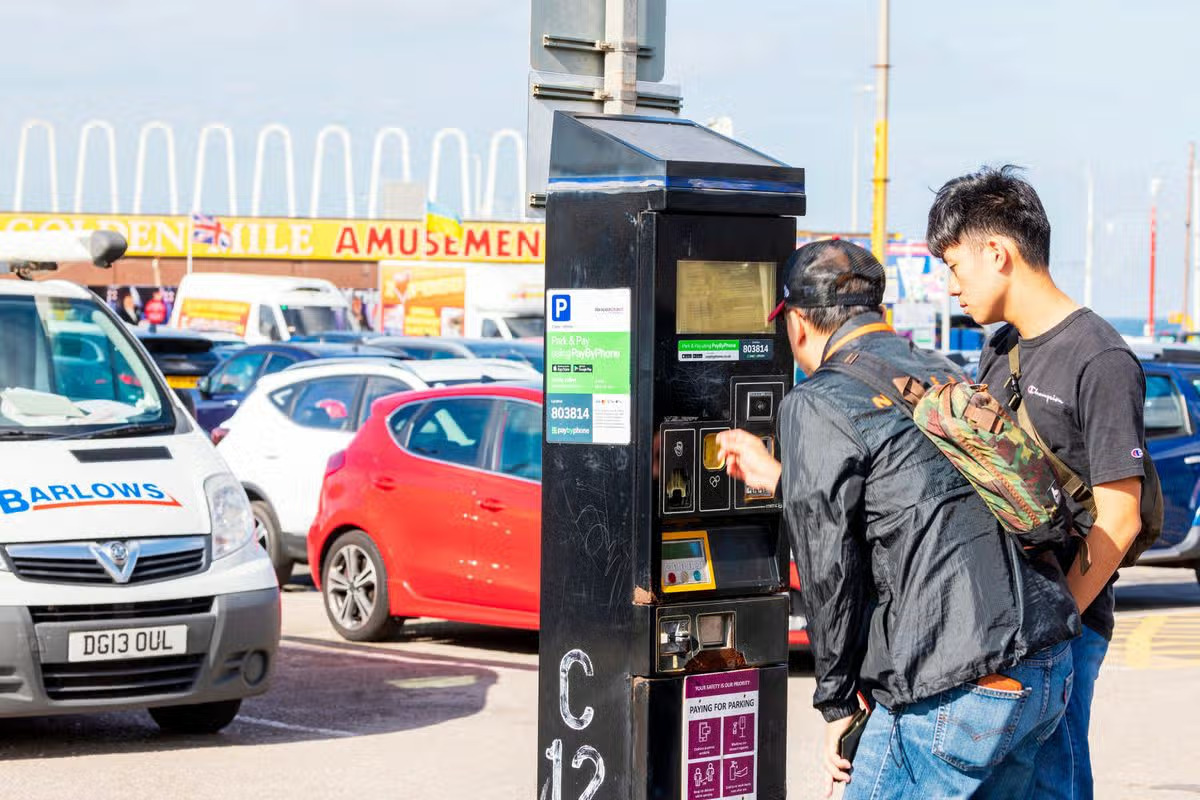
Broken Parking Machine: Barrister Explains When You Could Challenge a Private Parking Charge Drivers who find a broken payment machine in a private car park may wonder whether they can safely leave their vehicle without receiving a parking charge. A barrister has explained why the answer can depend on the circumstances. Daniel ShenSmith, a barrister in England and Wales, has addressed what can happen when motorists arrive at a privately managed car park and discover that the payment machine is not working. According to his guidance, there is no simple rule saying that a parking charge notice is automatically enforceable or automatically invalid when a machine breaks down. One important factor is whether the car park has another way for motorists to pay. If there is only one payment machine and it has stopped working, ShenSmith said an appeal against a resulting parking charge could be successful. However, drivers are being urged to check the signs carefully before deciding to park. Some car parks may specifically tell motorists not to park if a payment machine is out of order. Where such a warning is clearly displayed and a driver chooses to park anyway, the circumstances could be very different and the parking charge may be enforceable. Alternative payment options can also be important. A private car park may provide another machine, a telephone payment system or a parking app that allows motorists to pay when the main machine is unavailable. If an alternative payment method is clearly available and a driver does not use it, this could affect any subsequent challenge to a parking charge. For motorists who genuinely cannot make a payment, keeping evidence could prove particularly useful. Photographs of a machine displaying an error message, for example, can help show what happened when the driver attempted to pay. Drivers may also want to record evidence of failed payment attempts where appropriate, including screenshots if an advertised parking app is not working. The process can differ depending on whether the car park is privately operated or controlled by a council. A council-issued Penalty Charge Notice follows a different appeals process from a private parking charge. For private parking charges, motorists can initially challenge the charge with the parking operator. Depending on the operator and its trade association membership, further appeal routes can include POPLA or the IAS. The barrister also stressed that individual cases can turn on their own facts, meaning drivers should not assume that a broken machine alone guarantees that a parking charge will be cancelled. For UK drivers, the safest approach when encountering a faulty payment machine is therefore to check all signs, look for alternative payment methods and keep evidence of the problem before leaving the car park. The issue is another reminder of why understanding parking terms and keeping evidence can matter when a payment system fails. Drivers can also use EveryonesParking to stay informed about parking rules, charges and practical parking issues across the UK.
Share this story