16 September 2026
Broken Parking Machine? Lawyer Explains When You Can Appeal
A legal expert has explained what drivers should consider if they receive a private parking charge after discovering that a payment machine was broken. The circumstances can depend on the signs, whether another payment method was available and whether the driver can provide evidence of trying to pay. Motorists can appeal private parking charges, while council Penalty Charge Notices follow a different challenge process.
Drivers Warned What To Do If a Parking Machine Is Broken
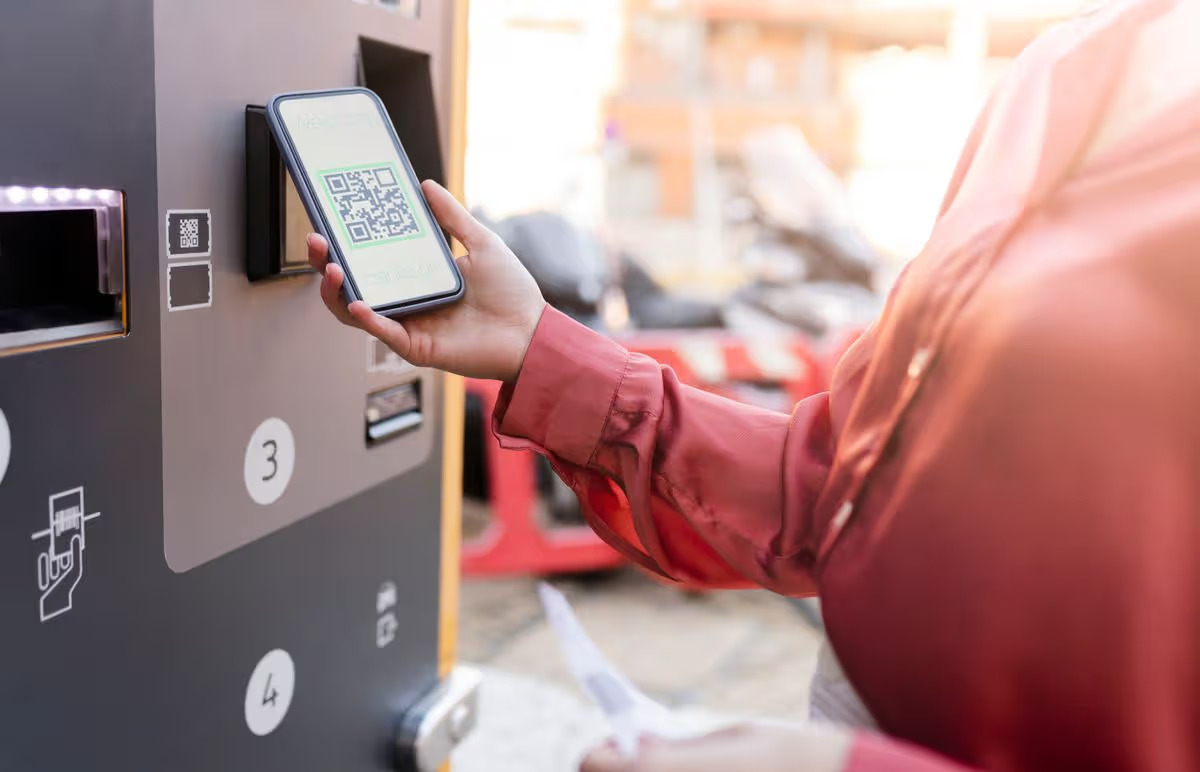
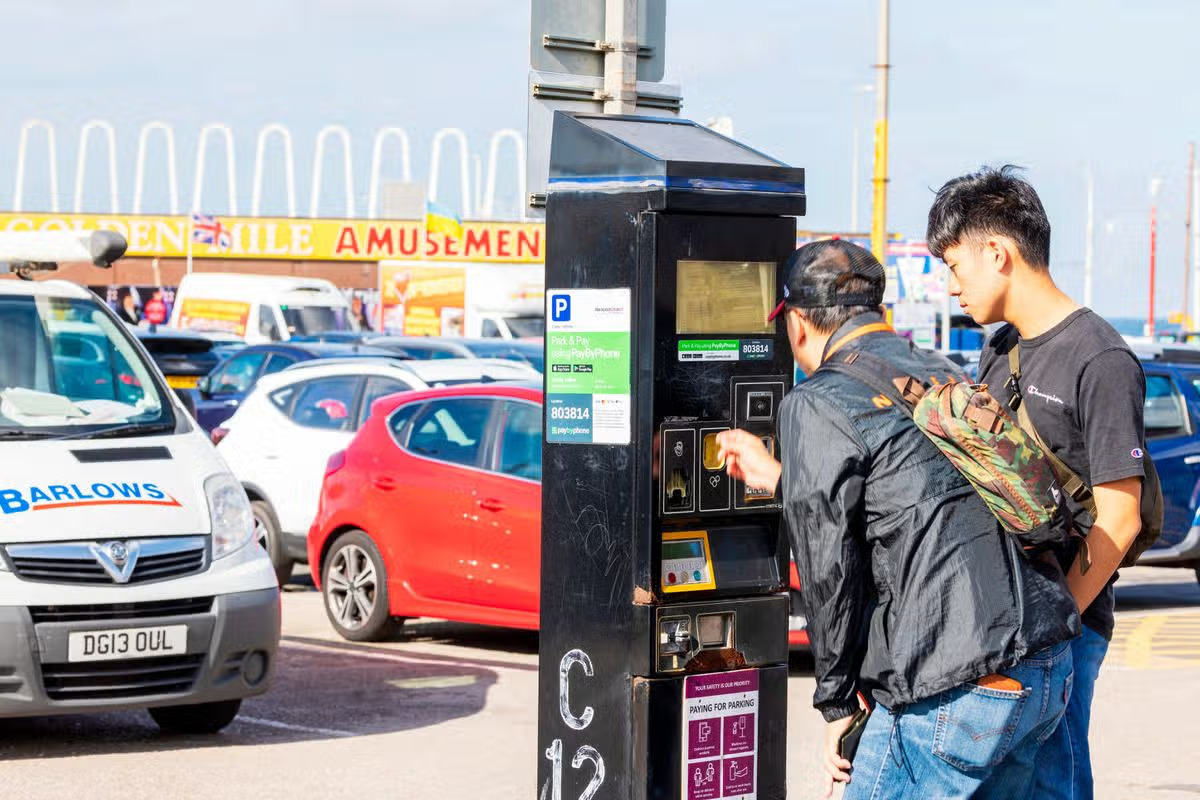
# Broken Parking Machine? Lawyer Explains When Drivers May Be Able to Appeal a Parking Charge Drivers who receive a parking charge after finding a broken payment machine may have grounds to appeal, but a legal expert says the circumstances of each case matter. Daniel ShenSmith, a barrister in England and Wales who shares legal guidance through his #BlackBeltBarrister channel, has explained what motorists should consider before accepting a private parking charge. ## What happens if the parking machine is broken? If a driver arrives at a privately managed car park and finds that the only payment machine is not working, the situation may be different from simply choosing not to pay. ShenSmith said that where there is just one machine and it is broken, an appeal against a parking charge notice is likely to have a good chance of succeeding. However, motorists should not assume that every broken machine automatically makes a parking charge unenforceable. Drivers are advised to check the signs carefully before leaving their vehicle, as the wording displayed at the car park can be important. For example, if a sign clearly tells motorists not to park when the payment machine is out of order, parking anyway could make the resulting charge more difficult to challenge. ## Check for another way to pay The situation can also change if another payment option is available. If there is another working machine, or signs provide an alternative method such as paying by telephone or through an app, drivers could be expected to use that option. ShenSmith explained that failing to use an available alternative payment method could mean a parking charge is more likely to be enforceable. This makes it particularly important for motorists to check all the information displayed around the car park before deciding what to do. ## Keep evidence if the machine fails Drivers who encounter a faulty payment machine should also consider gathering evidence showing what happened. The material provided by ParkingWin advises motorists to take photographs of error messages, record unsuccessful attempts to make payment and keep screenshots where an app payment has failed. Having this evidence could help support an appeal by showing that the driver attempted to comply with the parking requirements. The same basic issue can arise in council-run car parks, although the challenge process is different from a private parking charge. For council-issued Penalty Charge Notices, motorists can generally challenge the notice with the relevant authority before potentially taking the case to the Traffic Penalty Tribunal in England and Wales. Private parking charges are dealt with separately, with drivers normally able to appeal to the parking operator first and potentially use POPLA or the IAS depending on the operator's trade body. ShenSmith's advice is that where there is no working payment method, no alternative way to pay and no sign telling motorists not to park, drivers should consider appealing the parking charge. He also stressed that parking disputes are decided according to their individual circumstances, meaning there is no single answer that applies to every case. For motorists, the key message is to check the signs, look for alternative payment methods and keep evidence of any failed attempt to pay before deciding how to challenge a parking charge.
Share this story