16 April 2026
Drivers handed 48,000 parking tickets every day by private firms
Each ticket can be up to £100, meaning the daily total cost to drivers may be almost £4.8 million at the current rate. Private parking
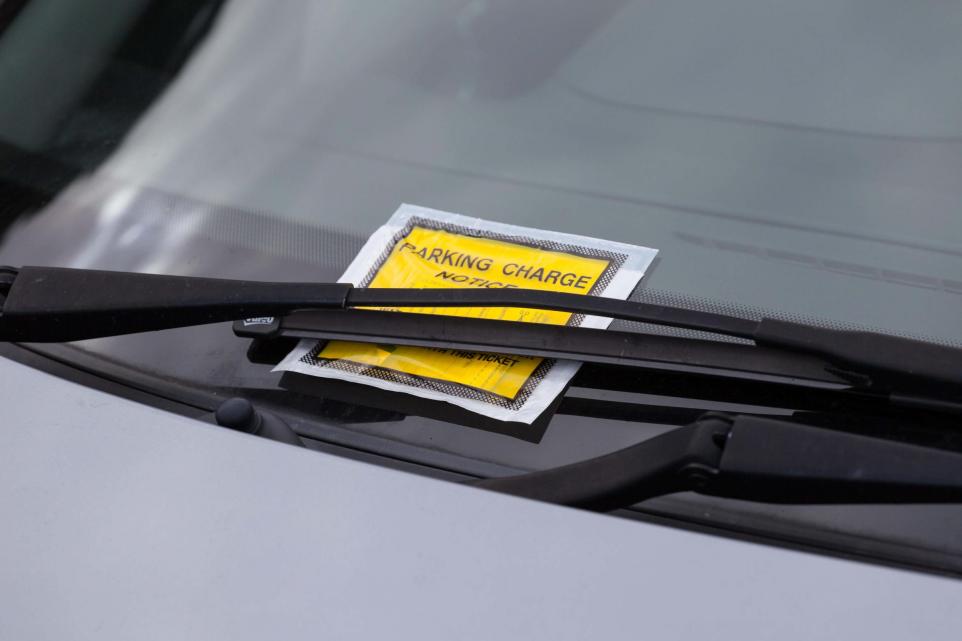
Drivers in Britain are being issued an average of nearly 48,000 parking tickets each day by private companies, according to newly published figures.
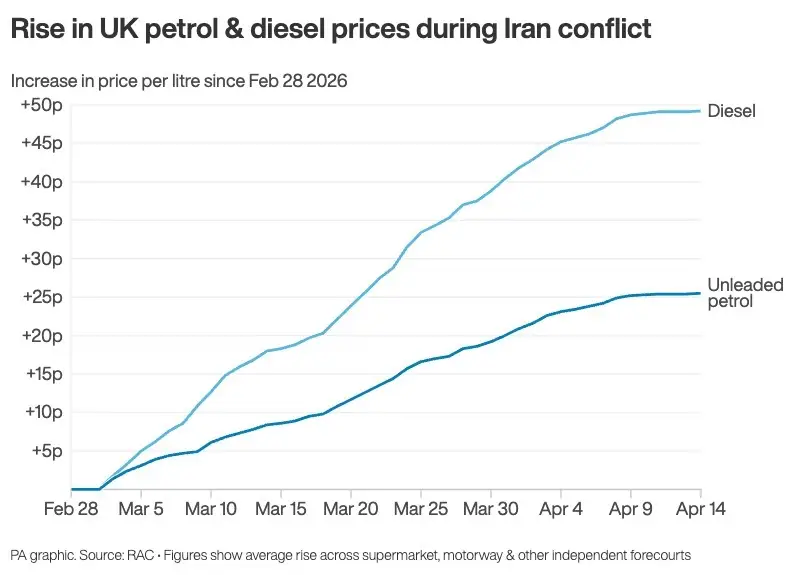
Analysis of Government data by the Press Association shows that 13.1 million tickets were issued by parking management firms between the beginning of April and the end of December last year. This represents a 19% increase compared with 11.0 million tickets during the same period the previous year, equating to an average of 47,749 notices per day. The motoring research charity, the RAC Foundation, has suggested that these figures indicate “something is awry with the system”. Individual tickets can be as much as £100, meaning the daily total cost to drivers could approach £4.8 million at current rates. A number of motorists have reported receiving what they consider to be unfair penalties, often citing issues with the operation of payment machines. Steve Gooding, Director of the RAC Foundation, commented: “With fuel prices at such elevated levels, the last thing motorists want is to receive a parking charge notice. While there will always be some drivers who disregard legitimate rules and regulations, it is reasonable to question whether such large numbers of people are deliberately incurring penalties, or whether there are systemic issues at play.” Legislation enabling the introduction of a code of practice for the private parking industry received Royal Assent in March 2019. The proposed code, which had been due to come into force across Britain by the end of 2023, included measures such as reducing the cap on most parking fines to £50, introducing a fairer appeals process, and prohibiting the use of aggressive language on notices. However, the code was withdrawn by the Conservative Government in June 2022 following a legal challenge from parking companies. A subsequent consultation on a revised code, undertaken by the current Labour Government, closed in September 2025. Private parking operators have faced criticism for the use of unclear or misleading signage, aggressive debt recovery practices, and disproportionate charges. Mr Gooding added: “Successive ministers have acknowledged the need for a new regulatory framework for private parking, offering clearer and fairer protections for both drivers and landowners, yet progress has been frustratingly slow. The additional financial pressure arising from high fuel prices may provide the impetus needed to advance these reforms.” Since the escalation of conflict in the Middle East on 28 February, the average price of petrol and diesel at UK forecourts has risen by 26p and 49p per litre respectively. The analysis is based on the number of vehicle keeper records obtained from the Driver and Vehicle Licensing Agency (DVLA) by private companies pursuing alleged parking infringements in locations such as shopping centres, leisure facilities and motorway service areas. It does not include tickets issued in council-operated car parks. During the final three months of last year, 195 parking management companies requested vehicle owner details from the DVLA, with ParkingEye being the most active, purchasing 619,000 records. The DVLA charges £2.50 per record and states that the fee is intended solely to recover administrative costs. A spokesperson for the Ministry of Housing, Communities and Local Government said: “Motorists must be protected when using private car parks, and we are committed to raising standards across the sector. We intend to introduce a code of practice to Parliament this autumn to address the issues currently faced by drivers.” Isaac Occhipinti, Head of External Affairs at the British Parking Association, said: “The vast majority of motorists comply with parking regulations and pay the appropriate charges. Effective parking management plays a vital role in keeping towns and cities moving, and in ensuring access to shops, hospitals, transport hubs and other essential services in a safe and convenient manner. Our work remains focused on supporting responsible drivers and ensuring fair access to parking.”
Share this story