14 September 2026
London councils seize 3,393 e-bikes amid parking concerns
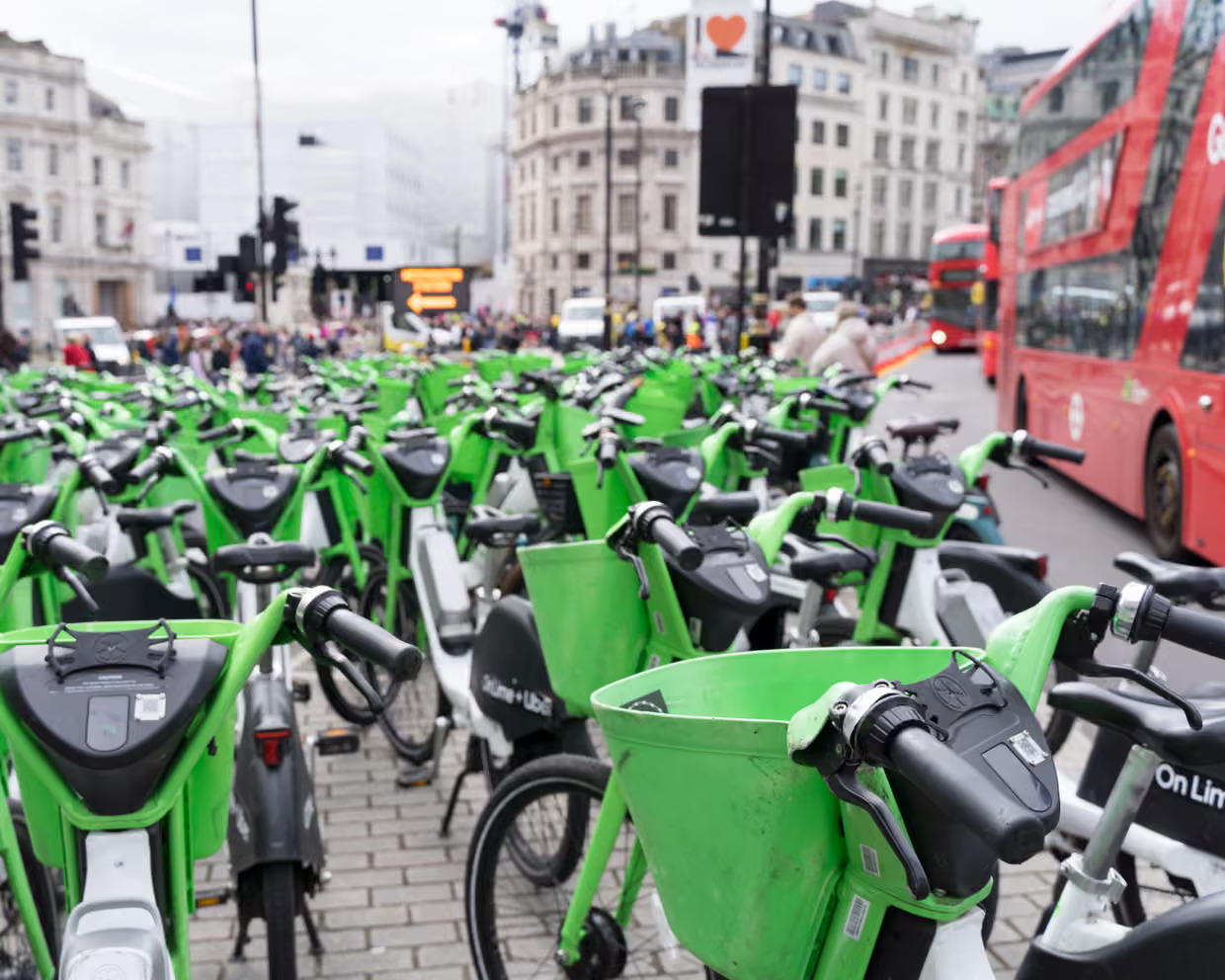
London councils have seized 3,393 badly parked or abandoned hire e-bikes so far in 2026, with Lime accounting for more than 2,000. Campaigners have raised concerns about blocked pavements and accessibility, while operators say more dedicated parking bays are needed and councils call for a London-wide regulatory approach.
Thousands of London e-bikes seized over pavement parking
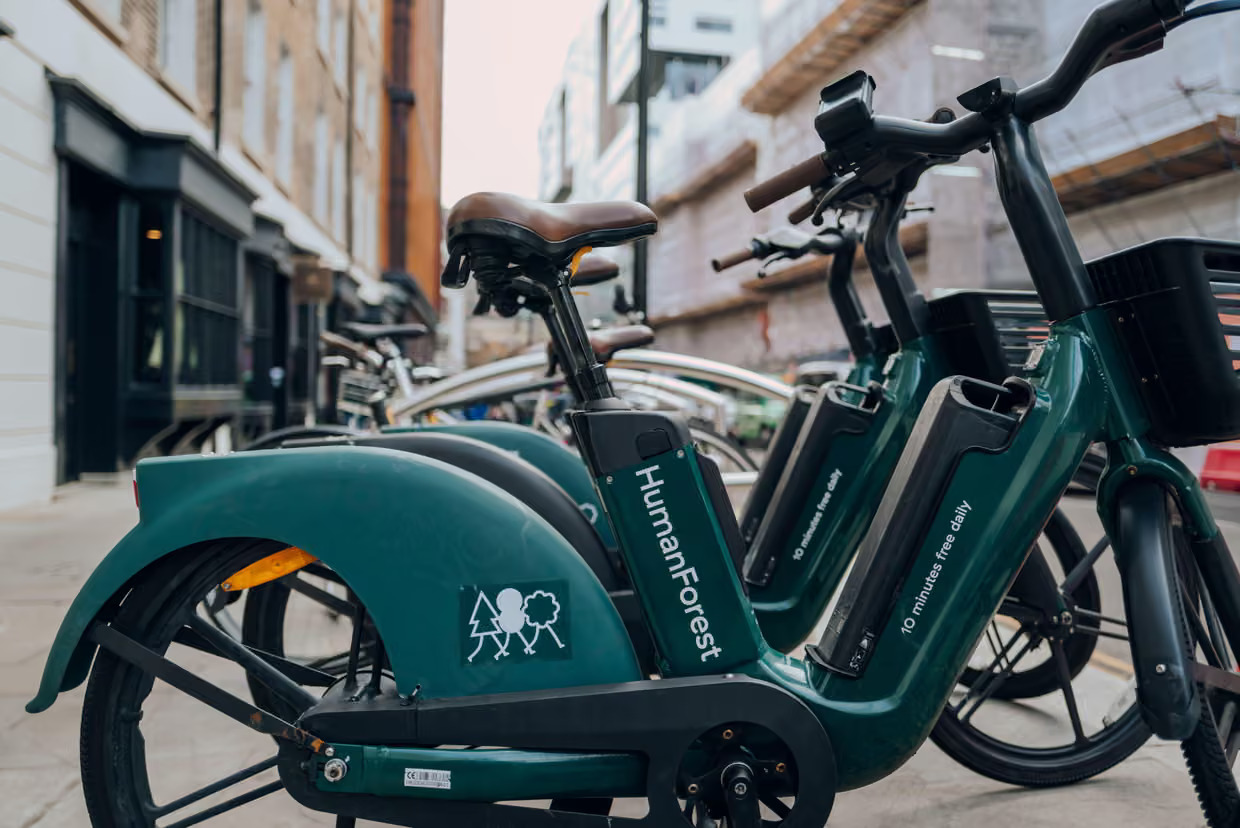
London councils seize thousands of e-bikes as parking complaints grow London councils have seized more than 3,000 hire e-bikes this year amid growing concerns about bikes being left on pavements, roads and other areas where they can obstruct the public. A Guardian investigation found that 3,393 e-bikes had been seized by London authorities so far in 2026, 23% more than the number seized during the whole of 2025. Figures obtained from 19 authorities show Lime accounted for more than 2,000 of the seizures. Forest was next with 978, while Voi accounted for 103. Dockless e-bikes have become increasingly popular in the capital as an alternative to other forms of transport. Estimates from Transport for London suggest that one in 10 of London's 1.5 million daily cycle journeys are now made using dockless e-bikes. However, the growth in their use has also led to concerns about how the bikes are parked once journeys end. Campaigners say badly positioned bikes can block pavements and make it harder for people to move around safely. Living Streets campaigner Zak Viney said irresponsibly parked e-bikes can prevent people from walking and wheeling safely on London's streets. The Royal National Institute of Blind People has also raised concerns about the impact of abandoned e-bikes on blind and partially sighted people, as well as older people and wheelchair users. Councils are also facing complaints about bikes being left in resident parking bays and obstructing roads. Camden councillor James Slater said operators have a responsibility to ensure their bikes do not become a public nuisance. The issue is complicated by the way dockless e-bike services are currently regulated across London. Councils have different policies and, in some cases, different operators working close to borough boundaries. Some operators argue that councils need to provide more dedicated parking bays to keep pace with demand. Lime and Forest both said parking capacity has not kept up with the growth of rental e-bike services. The situation could change following new powers given to local authorities under the English devolution bill, passed in April. The legislation gives authorities powers to license rental e-bike operators and introduce requirements covering parking, safety and accessibility. In London, those new licensing powers will go to Transport for London, which is expected to develop a single regulatory framework for dockless e-bike operators across the capital. The Mayor of London's office said it was working with TfL and the Department for Transport on the legislation needed to introduce the new controls, while stressing that safety should be central to future regulation. For drivers and other road users, the debate highlights a wider issue around how limited kerbside and parking space is shared across London. As e-bike use continues to grow, councils, TfL and operators will face pressure to ensure designated parking keeps pace while keeping pavements, roads and access routes clear.
Share this story