16 September 2026
New Pavement Parking Enforcement in England: What Drivers Need to Know
England is moving towards stronger council enforcement of pavement parking, giving local authorities a greater role in dealing with vehicles that obstruct pavements. Drivers will need to pay closer attention to local restrictions, signs and any exemptions as councils prepare to implement the new arrangements.
Councils Set to Gain New Powers Over Pavement Parking in England
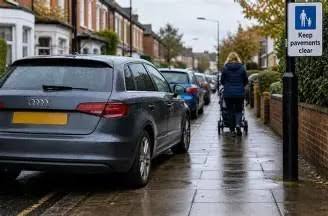
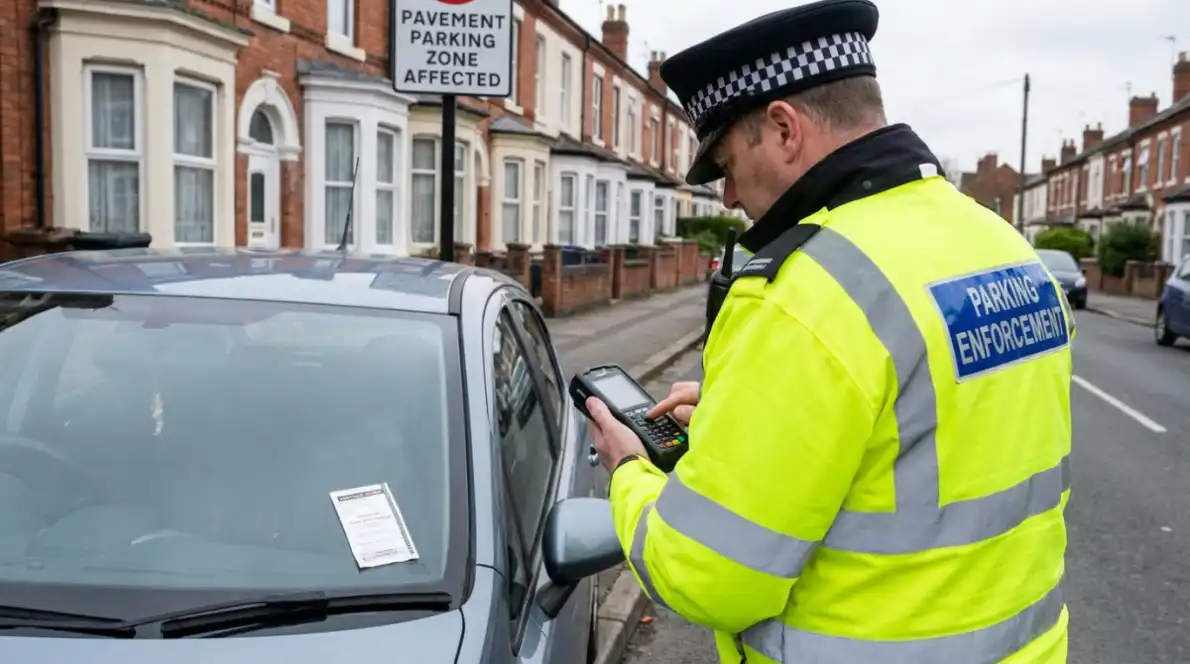
# New Pavement Parking Enforcement in England: What Drivers Need to Know Pavement parking enforcement in England is set for a major change, with councils gaining new powers to tackle vehicles that obstruct pavements. The change could mean motorists face parking enforcement from local authorities rather than relying solely on police action when vehicles block pedestrian routes. For drivers, the development could bring a significant change to how pavement parking is monitored and enforced in towns and residential streets across England. ## Councils set to play a bigger role in pavement parking Under the new arrangements, councils will be able to take a greater role in dealing with vehicles parked on pavements where restrictions apply. Civil enforcement officers are expected to become increasingly involved in pavement parking enforcement as the new powers are implemented. The change is intended to make enforcement more consistent and help keep pavements accessible for pedestrians. Pavement parking can be particularly difficult for people using wheelchairs or mobility aids, parents with pushchairs and people who need a clear pedestrian route. However, residential streets present a more complicated problem where roads are narrow and vehicles may currently park partly on the pavement to allow other traffic to pass. ## Will every pavement parking offence be fined? The introduction of stronger enforcement does not necessarily mean that every vehicle with wheels on a pavement will automatically receive a penalty. Local arrangements, restrictions, signage and any exemptions will be important when councils introduce their enforcement schemes. The supplied plans indicate that councils could take account of streets where pavement parking may be necessary because of road layouts or limited space. Drivers should therefore look out for local information as individual councils introduce their own arrangements. The changes could also mean that familiar parking habits become more important to reconsider, particularly for motorists who regularly leave vehicles partly on pavements outside homes or businesses. For drivers, checking local signs and restrictions before parking will become increasingly important as councils prepare to use their new enforcement powers. ## What could the new rules mean for drivers? Motorists who park on pavements where restrictions apply could face a penalty, although the exact enforcement arrangements and charges will depend on the rules introduced in the relevant area. This means drivers should not assume that parking partly on the pavement is acceptable simply because other vehicles have done the same. The changes are particularly relevant to residential areas, where pavement parking has traditionally been a common way of keeping narrow roads clear for passing traffic. As councils introduce their enforcement arrangements, drivers may need to consider alternative parking spaces rather than relying on pavement parking. **EveryonesParking** can help motorists find alternative parking before travelling, making it easier to identify suitable spaces when familiar roadside parking is restricted. The wider change is likely to make pavement parking a more prominent issue for councils and drivers as England moves towards stronger local enforcement. For motorists, the key message is to check the rules in their area rather than assume that a previously accepted parking habit will continue to be allowed. As councils prepare for the new enforcement powers, local signs, markings and published guidance will be important in determining where drivers can legally park. The result could be a significant change to parking enforcement across England, particularly on residential streets where pavement parking has been a long-running issue.
Share this story