21 September 2026
New Private Parking Rules Could Give Drivers More Protection
The Government is preparing a new Private Parking Code of Practice that it intends to lay before Parliament in autumn 2026. The rules are expected to address standards across the private parking industry, including protections being considered for drivers affected by faulty or unavailable payment systems
Private Parking Rules Could Change for UK Drivers This Autumn
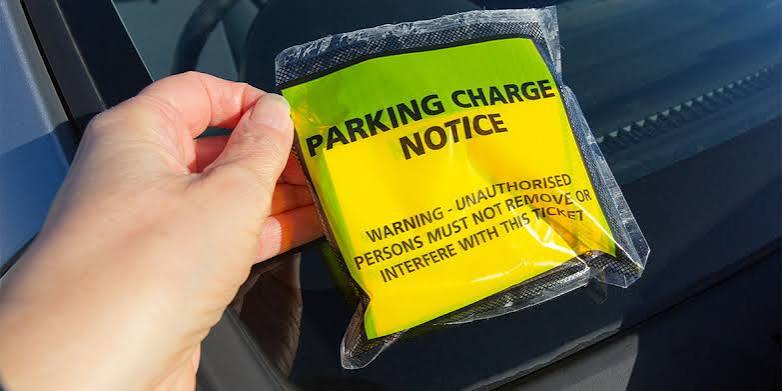
Private Parking Rules Could Change for UK Drivers This Autumn UK drivers could see important changes to the way private parking is regulated, with the Government preparing a new Private Parking Code of Practice for Parliament later this year. The planned Code is intended to raise standards across the private parking industry and provide greater protection for motorists dealing with parking charges. The Government confirmed in September that it intends to lay the new Code before Parliament in autumn 2026, meaning the issue could soon become a major focus for drivers and parking operators. Why private parking is back in focus Private parking charges are a common issue for motorists using car parks at places such as supermarkets, restaurants, gyms and retail parks. The Competition and Markets Authority said private parking operators issued around 14.4 million parking tickets during 2024/25, highlighting the scale of the issue for drivers. The CMA launched a package of measures in July 2026 after raising concerns about the way some private parking operators handle appeals and attempt to recover additional fees on top of parking charges. The Government is also considering protections for motorists who receive a private parking charge when payment systems are unavailable or malfunctioning. A parliamentary answer on September 8 confirmed that the Government is assessing these protections and plans to set out its position in the new Code. That issue could be particularly important as more private car parks rely on payment machines, mobile apps and systems requiring drivers to enter their vehicle registration details. The Government's 2025 consultation highlighted examples of motorists being unable to pay because of faulty machines, poor mobile signal or malfunctioning apps, as well as cases involving errors when entering registration numbers. The consultation also considered situations where drivers using ANPR car parks take longer than five minutes to pay but ultimately make full payment before leaving. Under the proposal considered by the Government, a parking charge would not be issued in that situation, reflecting changes already made to the industry's own code. Another area under consideration is the way parking charges and debt recovery fees are handled, with the Government saying it intends to publish its response alongside the new Code. For drivers, however, the new rules should not be treated as permission to ignore the terms displayed at a private car park. Until any new requirements come into effect, motorists should continue to check signs, payment instructions and parking conditions carefully. Keeping evidence can also be important when something goes wrong. Drivers facing a disputed charge may want to retain payment records, photographs of signs, screenshots of apps or evidence showing that a payment machine was not working. This is where planning ahead can make a difference. Checking parking information before arriving can help drivers understand where they can park, what payment method is required and whether restrictions apply. EveryonesParking can help drivers find and plan parking before a journey, giving motorists another way to prepare before arriving at busy private car parks, town centres, events and other destinations. With the Government expected to bring the new Private Parking Code of Practice before Parliament this autumn, private parking remains an important issue for millions of UK motorists.
Share this story