18 September 2026
PARK(ing) Day sees parking bays transformed into community spaces
PARK(ing) Day takes place on 18 September, with parking bays around the world temporarily transformed into green and social spaces. The global festival encourages people to rethink how small areas of street space can support communities, art, play and sustainability.
Parking bays get a new purpose as PARK(ing) Day returns
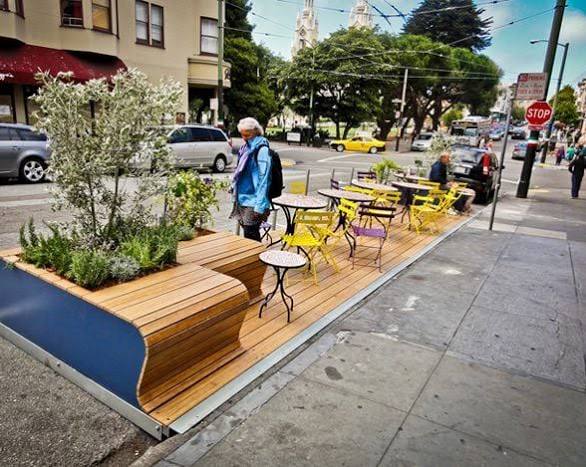
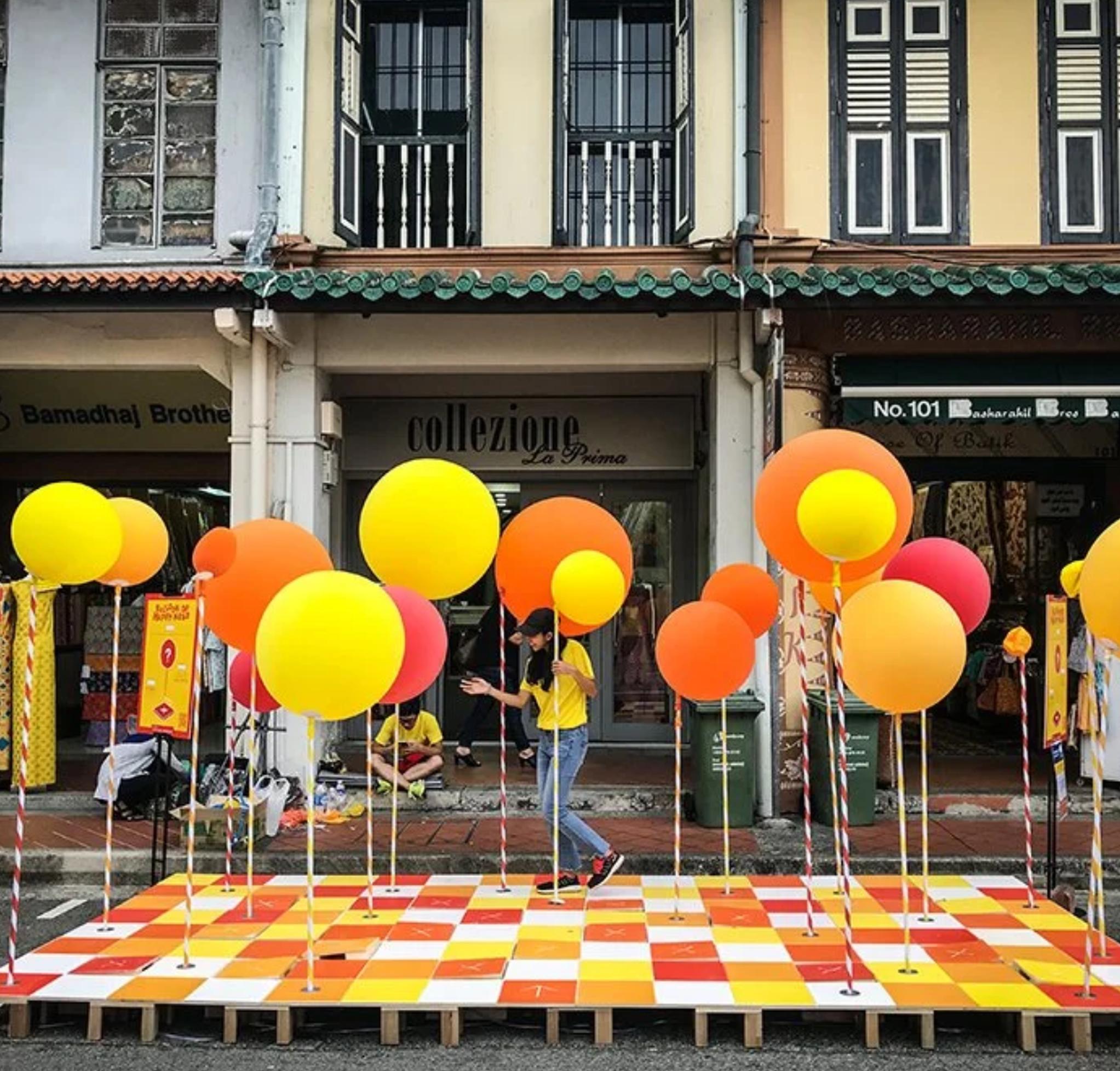
PARK(ing) Day sees parking bays transformed into community spaces Parking bays around the world are being given a very different purpose today as PARK(ing) Day encourages people to temporarily transform spaces normally used for parked vehicles. The global street festival takes place on Friday 18 September, with parking spaces being reimagined as green areas, social spaces and places for art and play. Parking bays become temporary public spaces PARK(ing) Day is a global, public and participatory art project that encourages people to temporarily repurpose street parking spaces. Instead of being used for parked vehicles, individual bays can be turned into small parks and spaces for art, play and activism for 24 hours. The event was launched by San Francisco architects Rebar in 2005 as a way of celebrating imagination and sustainability in urban areas. Its central idea is that even small areas of street space can be used to serve wider community needs. The annual event has since become a global initiative, with people encouraged to rethink how limited space on streets can be used. This year's PARK(ing) Day takes place on 18 September, putting parking bays at the centre of a wider conversation about public space. The theme for 2026 is ‘Prototype Tomorrow’, encouraging participants to use temporary designs and community interventions to test ideas for the future. The theme focuses on how relatively small and temporary changes can provide opportunities to explore different approaches to public spaces. For drivers, PARK(ing) Day offers a different perspective on the familiar parking bay, showing how the same limited street space can have different uses. The event also highlights the wider role parking and kerbside space can play in urban areas beyond simply providing somewhere to leave a vehicle. With the festival taking place for 24 hours, participating spaces are being temporarily changed before returning to their usual purpose. PARK(ing) Day therefore provides a global example of how parking spaces can become part of wider discussions about sustainability, community activity and the use of urban streets.
Share this story