25 September 2026
Pavement Parking Powers Could Bring New Enforcement Across England
New Government powers could give English local transport authorities greater control over pavement parking, including the ability to introduce local prohibitions and civil enforcement. Living Streets is calling on local leaders to use the powers to tackle vehicles blocking pavements, while drivers will need to watch for local restrictions as the new system develops.
Drivers Warned as New Pavement Parking Powers Move Closer
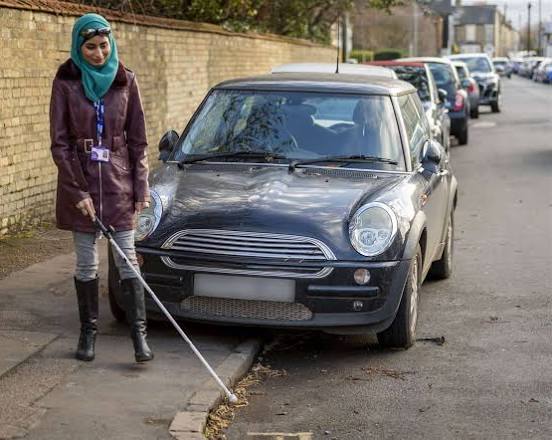
Pavement Parking Powers Could Bring New Enforcement Across England as Living Streets Calls for Action Pavement parking could face tougher enforcement across England as new Government powers move towards implementation, with Living Streets calling on local leaders to use them to tackle vehicles blocking pavements. The charity says cars parked on footways can force pedestrians, wheelchair users and parents with pushchairs into the road, creating safety and accessibility problems. New powers could change pavement parking enforcement The English Devolution and Community Empowerment Act received Royal Assent in April 2026, giving the Government powers to introduce regulations allowing English local transport authorities to prohibit pavement parking in their areas. The changes do not create one automatic nationwide pavement parking ban. Instead, the Government's approach gives local transport authorities the ability to introduce prohibitions in their own areas, with regulations expected to set out how the powers will work. The Government has also said it intends to enable civil enforcement against vehicles causing unnecessary obstruction on pavements through secondary legislation. This could allow enforcement officers to issue penalty charge notices in relevant circumstances. Living Streets is supporting the Government with guidance on enforcement and is calling for local leaders in England to make full use of the new powers once they become available. The charity says it wants pavement parking to be prohibited by default across local areas, while recognising that exemptions could be needed for particular streets or vehicles. Why pavement parking remains a concern Pavement parking can make it difficult for people to use footways safely, particularly where parked vehicles leave little room for pedestrians to pass. Aideen Blackborough, a wheelchair user and disability trainer who will speak at the National Pavement Parking Conference in Birmingham in November, said the issue is particularly serious for blind and partially sighted people and parents with pushchairs. Living Streets also points to damage caused to pavements by vehicles, arguing that repeated parking on footways can increase maintenance costs for councils. The charity says its campaign for action on pavement parking has lasted around 50 years and is now focused on ensuring local authorities use the new powers. England is following different approaches to pavement parking Pavement parking rules already differ across the UK. London has had restrictions since 1974, while Scotland introduced a nationwide pavement parking ban in 2023, although enforcement is carried out by individual local authorities. The Government's English approach is therefore different from Scotland's nationwide model, with decisions about prohibiting pavement parking being placed with local transport authorities. For drivers, this means the rules could eventually vary between different parts of England depending on whether a local authority chooses to introduce a prohibition and what exemptions it adopts. What could change for drivers? If local authorities introduce pavement parking prohibitions, drivers could face civil enforcement where they park on the pavement in areas covered by the new restrictions. However, motorists should not assume that every pavement in England is about to become subject to the same parking restriction. The Government still needs to establish the detailed regulations and guidance governing how the powers will operate. For drivers, checking local parking signs and restrictions will therefore remain important, particularly as councils begin considering how the new powers could be used. Living Streets is hoping the new arrangements will be available before the end of 2026 and is urging local leaders to act once they are. For motorists looking for legitimate parking away from pavements and restricted areas, planning ahead can also help avoid unnecessary enforcement problems. Services such as EveryonesParking can be useful when drivers need to find parking before arriving at their destination. The National Pavement Parking Conference will take place in Birmingham on 18 November, bringing together local authorities, accessibility groups, parking professionals and transport organisations to discuss how pavement parking could be managed under the changing rules. With the legal framework now in place, the next stage will be watching how individual authorities respond and whether new pavement parking restrictions begin appearing in local areas.
Share this story