21 September 2026
Pavement Parking Under Pressure as New Powers Give Councils More Control
Pavement parking is facing renewed scrutiny after a wheelchair user in Market Drayton said vehicles regularly force her onto busy roads. The Government is introducing new powers that will allow local authorities in England to take greater control of pavement parking, while councils can already enforce certain restrictions and cases of unnecessary obstruction. Drivers should check local rules because pavement parking laws vary between areas.
Wheelchair User Highlights Pavement Parking Problem as New Rules Approach

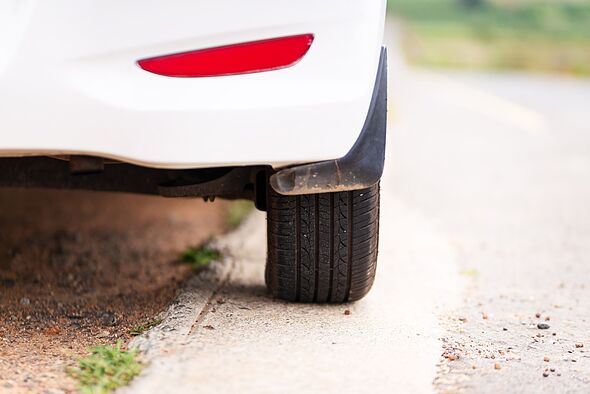
Pavement Parking Under Pressure as New Powers Could Give Councils More Control Pavement parking is back in the spotlight after a wheelchair user in Shropshire said she is regularly forced into busy roads because parked cars are blocking the pavement. The case comes as the Government moves ahead with new powers designed to give local authorities greater control over pavement parking across England. Caroline Lewis, 63, from Market Drayton, said she is forced to take her wheelchair onto the road “almost every day” because of vehicles parked on pavements around Longlands Lane and Stafford Street. Lewis began using a wheelchair after a lorry accident and said drivers need to think more carefully about the impact their parking has on people who cannot simply walk around an obstruction. Pavement parking rules are changing At present, pavement parking rules vary depending on where drivers are in England. In Shropshire, pavement parking is not generally illegal, although civil enforcement officers can act where civil parking restrictions apply. Shropshire Council also says dangerous or unnecessary obstruction can become a matter for the police, depending on the circumstances. The Government announced in January that it would take forward a locally led approach rather than introduce a single nationwide pavement parking ban. Local transport authorities are instead being given a route to prohibit pavement parking in their own areas. New legislation passed in 2026 provides for regulations that can give English local transport authorities powers to prohibit parking on footways and verges in areas where civil parking enforcement applies. The Government has also said secondary legislation is being introduced to allow councils to enforce against unnecessary obstruction of pavements, providing an additional tool while the wider local powers are developed. That means the future of pavement parking in England is increasingly likely to depend on decisions made at local level, rather than one blanket rule applying in exactly the same way everywhere. Why the issue matters to drivers For wheelchair users, people with mobility difficulties and parents with pushchairs, a vehicle partly blocking a pavement can turn an ordinary journey into a much more difficult one. The Department for Transport has specifically linked keeping pavements clear with safer and more independent journeys for wheelchair users, blind and partially sighted people and parents with pushchairs. Lewis's experience in Market Drayton shows why the debate is not simply about whether a driver has managed to leave enough room for another car to pass. A vehicle that appears to be parked neatly to a motorist can still create a serious accessibility problem if it forces someone using a wheelchair or mobility aid onto the road. The issue can also become more complicated on narrow streets, near junctions and around bends, where parked vehicles may affect visibility for both drivers and pedestrians. For motorists, the safest approach is to check local signs, road markings and restrictions rather than assuming that pavement parking is permitted simply because other vehicles are doing it. Planning parking before travelling can also help drivers avoid leaving a vehicle in a potentially obstructive position when nearby spaces are difficult to find. EveryonesParking can help motorists find and book available parking in advance, giving drivers another option when visiting busy towns and unfamiliar areas. With new legislation providing a framework for stronger local controls, drivers could see more changes to pavement parking rules as councils and local transport authorities begin using the powers available to them. For now, however, the rules remain location-specific, meaning motorists should check the restrictions applying to the particular road where they intend to park. The Market Drayton case has brought the human impact of the issue into focus, while the Government's reforms mean pavement parking is likely to remain an important issue for drivers, councils and accessibility campaigners.
Share this story