25 September 2026
Swale Council Defends Shingle Bank Parking Charges After First-Year Loss
Swale Council has defended £15 overnight parking charges at Shingle Bank beach and Shellness Road after the schemes failed to cover their operating costs during the first year. The council says the measures were introduced following complaints about caravans, anti-social behaviour and environmental problems, while some visitors argue the charges have discouraged people from using the sites.
£15 Shingle Bank Parking Charges Fail to Cover First-Year Costs
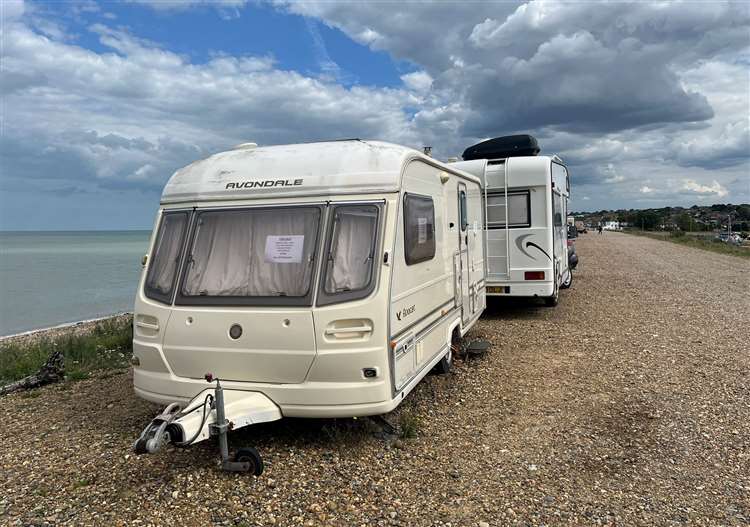
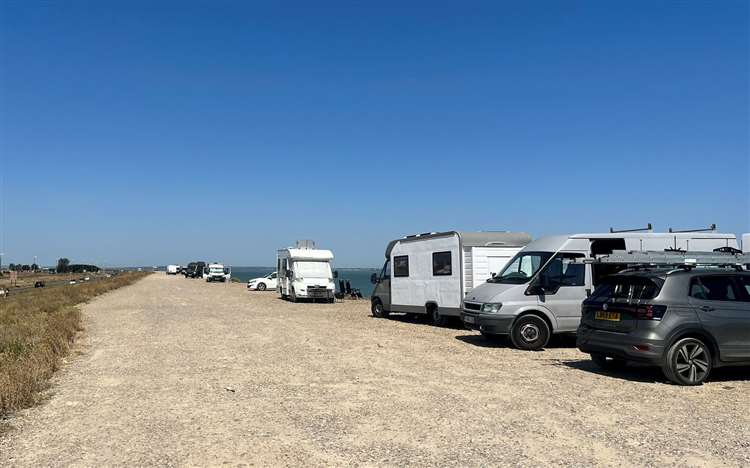
Swale Council Defends Shingle Bank Parking Charges After First-Year Loss Swale Council has defended its controversial overnight parking charges at Shingle Bank beach and Shellness Road after the schemes failed to cover their running costs during their first year. The council introduced the measures in August 2025 following complaints about caravans staying for extended periods, anti-social behaviour, littering and a shortage of spaces for daytime visitors. £15 overnight parking charge introduced At Shingle Bank on the Isle of Sheppey, drivers parking between 8pm and 8am must pay £15, while caravans are banned from the site during those hours. Parking remains free outside the overnight charging period, while motorists who breach the restrictions can face a penalty of up to £70. The same overnight charging arrangements were also introduced at a parking area on Shellness Road in Leysdown. Before the changes, local residents had raised concerns about vehicles and caravans remaining at Shingle Bank for weeks at a time, alongside reports of litter, human waste and anti-social behaviour. Parking income falls short of costs Figures obtained by KentOnline show that 1,068 parking transactions were recorded at Shingle Bank between 1 August 2025 and 20 September 2026. Shellness Road recorded a further 143 transactions during the same period. Across both locations, 71 parking fines were issued, with 43 of those having been paid. The two sites generated £21,389.40 in parking charges and £2,250 from fines, giving combined income of £23,639.40. However, the council says it spent £37,400 initially on the scheme, including CCTV and repairs to the road surface at the entrance to Shingle Bank. A further £26,300 a year is required to operate the scheme, meaning the income raised so far has not covered the running costs. Council says scheme addressed local concerns Swale Council has defended the decision to introduce the charges, saying they were brought in following complaints from local residents about persistent parking and environmental problems. The council said more than 1,200 people responded to its consultation and that overnight parking charges were the most supported option among those who took part. It also said the initial investment was necessary to introduce CCTV, repair the Shingle Bank entrance and install new signs at both locations. According to the council, the new charges have been a cost-effective way of addressing many of the concerns raised by residents. Drivers have mixed views Some visitors have welcomed the effect of the restrictions, with local resident Stuart Roberts saying the charges had helped remove caravans from the beauty spot. However, he also criticised the cost of the scheme and said the overnight charges had discouraged fishermen, windsurfers and other visitors from using the area. Other visitors have questioned whether the £15 overnight charge provides enough facilities for people staying at the site. The debate therefore goes beyond the amount motorists pay, with questions also being raised about the purpose of the charges, enforcement costs and what visitors receive in return. For drivers considering an overnight visit, the current arrangement means parking at Shingle Bank and Shellness Road is subject to specific overnight charges and restrictions. The story also highlights why motorists should check parking conditions before travelling, particularly at coastal and visitor locations where seasonal or overnight restrictions can differ from normal daytime arrangements. EveryonesParking can help drivers plan parking before a journey, making it easier to identify suitable spaces and understand parking arrangements before arriving. Swale Council says the income generated by the new charges will continue to help offset the costs associated with its parking service. For now, the overnight charges remain in place, while the figures from the first year have prompted renewed attention on whether the scheme is financially sustainable as well as whether it has achieved its original purpose.
Share this story