15 September 2026
UK drivers urged to plan parking and avoid rushed decisions
Driving instructors have shared practical advice to help UK motorists become safer and more confident drivers. The guidance includes planning parking before travelling, avoiding rushed decisions, staying calm around aggressive drivers and taking extra care at night and in poor weather.
Driving experts share parking and road safety tips for UK motorists
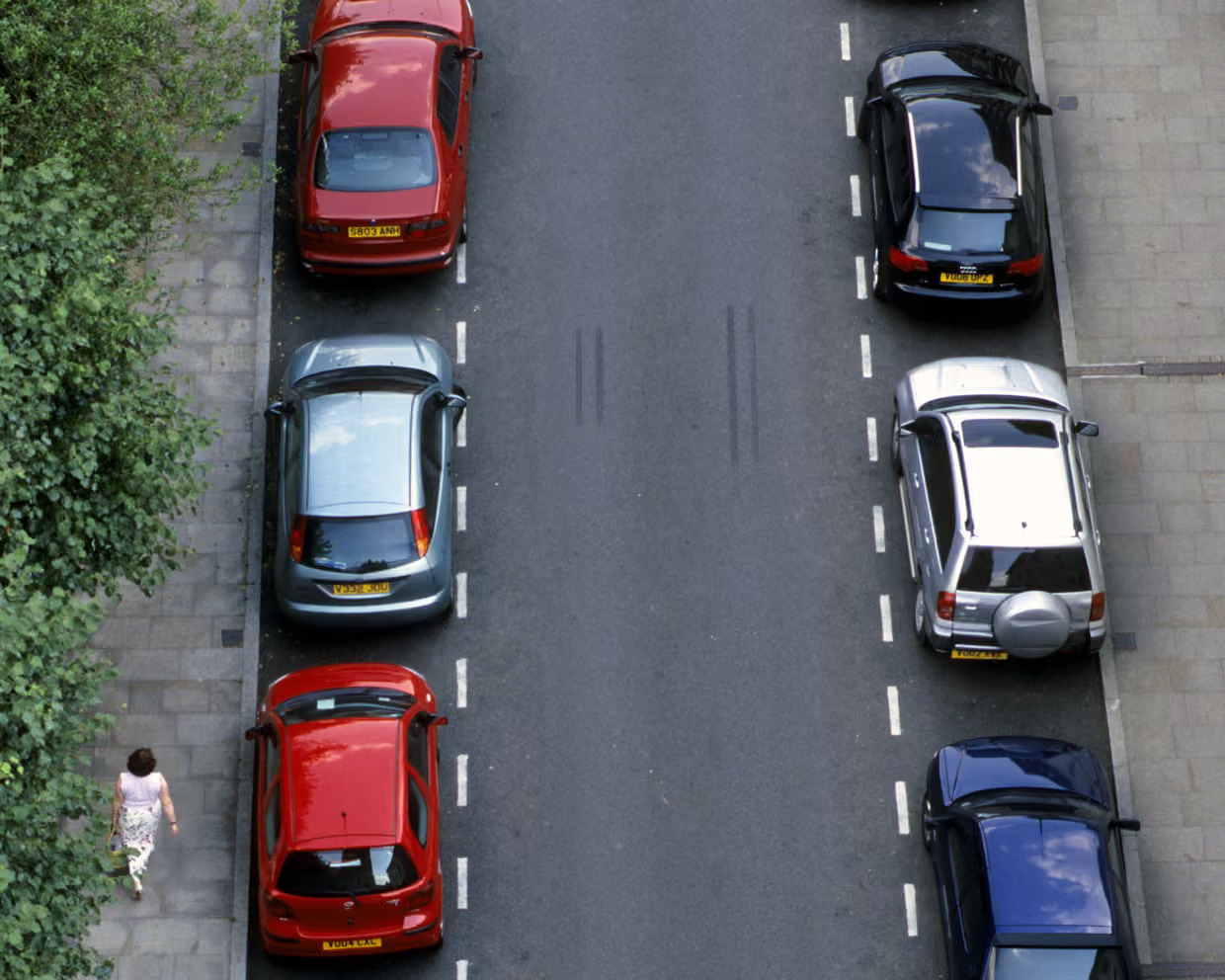
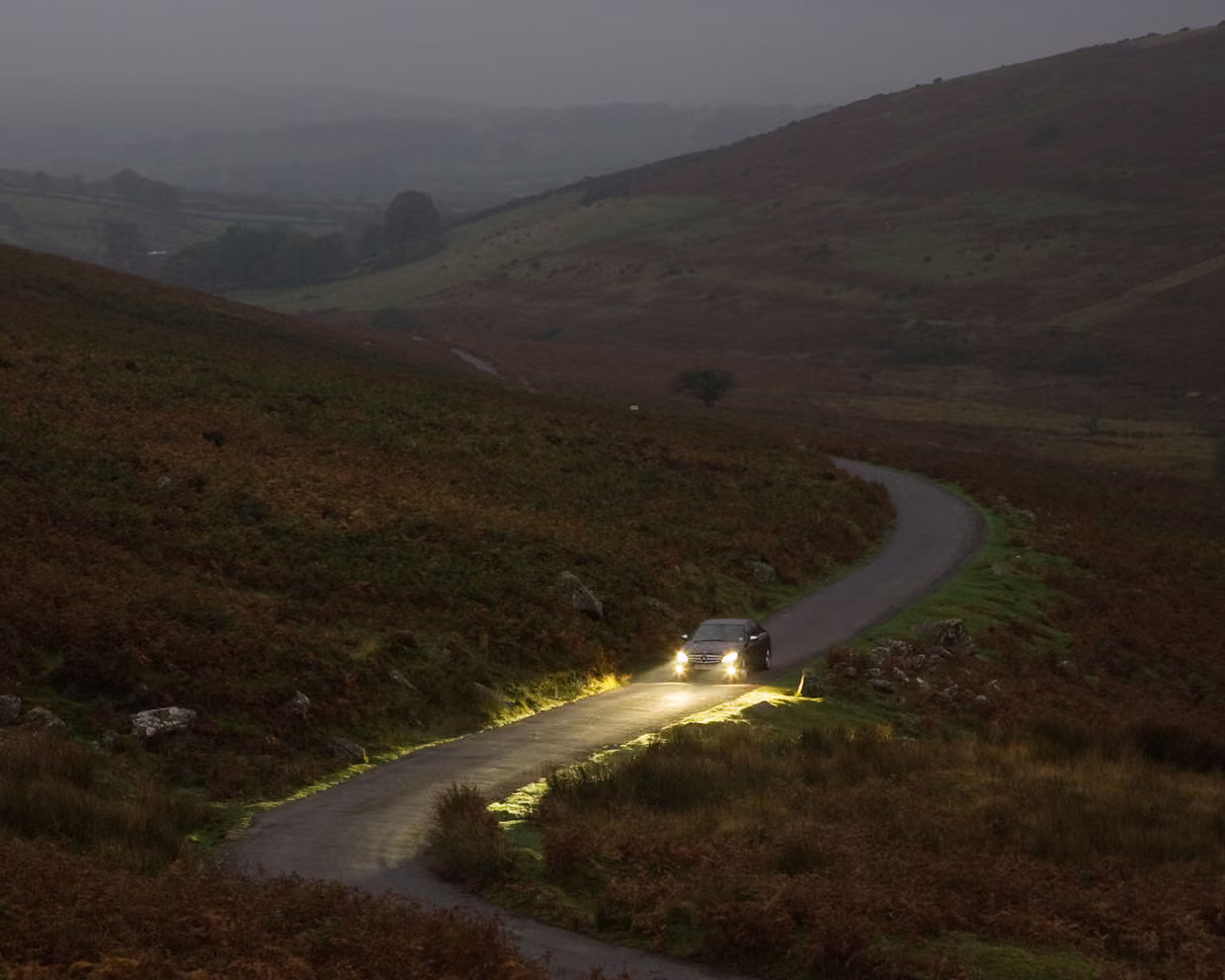
Driving experts share parking and road safety tips for UK motorists Driving instructors have shared practical advice for motorists looking to become safer and more confident behind the wheel, including how to plan parking, deal with unfamiliar roads and stay calm when driving under pressure. The advice covers a range of situations, from tight parking spaces and unfamiliar city centres to night driving, bad weather, traffic delays and dealing with road rage. Plan your parking before you travel One of the key messages for drivers is to avoid rushing. Driving instructors say leaving enough time for a journey can reduce the temptation to make risky decisions when running late. Parking should also be planned before setting off, particularly when visiting an unfamiliar town or city. Instructor Denise Rawson recommends identifying several parking options in advance and even checking what spaces look like before travelling. When parking in a busy city, instructor Gyokhan Zlatev advises using a car park rather than putting yourself under pressure to find a difficult roadside space. Drivers are also encouraged to take their time when parking, particularly when dealing with tight spaces, rather than feeling pressured by other motorists waiting behind them. If a space is too small or difficult to enter safely, there is no need to force the manoeuvre. Driving instructors say motorists should be prepared to move on and find another option. Don't let other drivers rush you Road rage and pressure from other motorists can make driving more stressful, but instructors advise against reacting to aggressive drivers. If another motorist is tailgating or behaving aggressively, drivers should not feel pressured into breaking the speed limit. Leaving a larger gap to the vehicle ahead can provide more time to react safely. The same approach applies in traffic. Drivers should maintain a safe distance rather than moving unnecessarily close to the vehicle in front. For motorists who become anxious behind the wheel, instructors recommend staying focused on their own driving rather than allowing the behaviour of other road users to dictate their decisions. Take extra care at night Quiet roads at night can create a temptation to drive faster, but instructors warn that lower traffic levels should not change a driver's approach to safety. Motorists should use their lights correctly, avoid looking directly into the headlights of approaching vehicles and allow more space between vehicles where appropriate. Tiredness is another important consideration, with drivers advised to make sure they are fit to drive before setting off. Bad weather also requires drivers to adapt. In heavy rain, motorists should reduce their speed, increase the distance from the vehicle ahead and avoid sudden braking. Large puddles should be approached cautiously because drivers may not know how deep they are, while icy conditions require slower and more delicate steering and braking. Don't panic if you get lost Taking a wrong turn is not a reason to make a sudden or dangerous manoeuvre. Driving instructors advise continuing safely and taking the next suitable opportunity to change direction. Drivers should also avoid trying to operate a satnav while moving. If a route needs to be changed, pulling over safely allows the driver to concentrate on the task without becoming distracted. The same principle applies when driving somewhere unfamiliar. Using audio instructions can help drivers keep their attention on the road rather than repeatedly looking at a navigation screen. Before travelling, motorists should also make sure they have enough fuel or battery charge for the journey and know where they can stop if they need to refuel or recharge. The advice also extends to hire cars, where drivers should familiarise themselves with the controls, adjust their seat and mirrors and check the vehicle before setting off. For anyone involved in an accident, instructors recommend exchanging details, photographing damage and keeping any available dashcam footage safe. Taken together, the advice has a simple message for motorists: plan ahead, allow yourself enough time and avoid letting pressure from traffic, parking or other drivers influence your decisions.
Share this story