
30 September 2026
Wales Raises Engine Idling Fine to £150 for Parked Drivers
Engine-idling fines in Wales will rise from £20 to between £75 and £150 from 30 September 2026. The Welsh Government says the increase is intended to reduce unnecessary vehicle emissions and improve air quality, particularly around schools, healthcare settings and other locations used by vulnerable people.
Welsh Drivers Face Higher £150 Fine for Leaving Engines Running
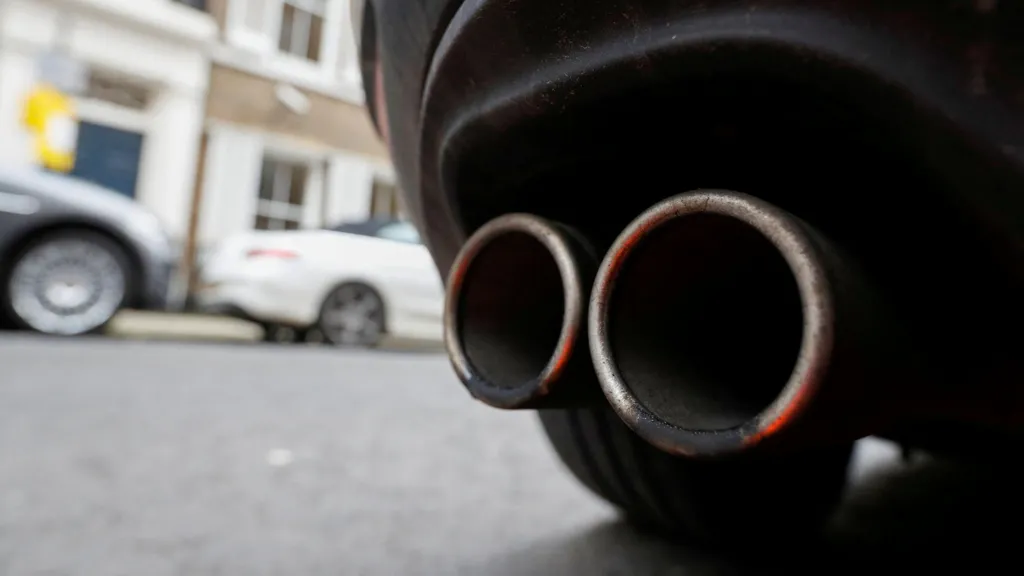
Wales Increases Engine Idling Fines to Up to £150 for Parked Drivers Drivers in Wales who leave their vehicle engine running while parked could face fines of up to £150 from 30 September, as the Welsh Government increases penalties for stationary idling. The fixed penalty available to local authorities will rise from £20 to between £75 and £150 as part of efforts to reduce air pollution and improve public health. When can drivers be fined for engine idling? Under Rule 123 of the Highway Code, drivers should not leave a parked vehicle unattended with the engine running or leave an engine running unnecessarily while stationary on a public road. The Welsh Government says many drivers remain unaware that unnecessary engine idling can result in a penalty, despite the existing Highway Code guidance. The higher fine range will apply from 30 September 2026, meaning drivers waiting in areas where parking restrictions and enforcement apply will need to be aware of the rules. Where could engine idling become a problem? The Welsh Government has highlighted locations such as schools, hospitals, GP surgeries and other places where children and vulnerable people spend time. It says vehicle idling creates air and noise pollution, while children, older people and people with existing health conditions can be particularly vulnerable to the effects of air pollution. Cabinet Minister for Rural Resilience and Sustainability Llyr Gruffydd visited Marshfield Primary School in Newport to mark the change. Pupils at the school have taken part in a Welsh Government-funded anti-idling project with Newport Council and designed a banner encouraging drivers to switch off their engines. Are there exceptions to the idling rules? The Welsh Government recognises that there are circumstances where keeping an engine running may be unavoidable. These include diagnosing an engine fault, remaining stationary because of traffic conditions, or de-icing and de-misting windows when necessary for safety before a journey. However, waiting for passengers, charging a phone, listening to music or running heating and cooling systems for comfort are not considered acceptable reasons for unnecessary idling. What does the higher parking-related fine mean for drivers? For drivers, the change means that leaving an engine running unnecessarily while parked could now carry a significantly larger financial penalty than before. The Welsh Government says the increased penalty forms part of wider efforts to raise awareness of the impact of vehicle idling and encourage drivers to switch off when they park. The government is also supporting a national campaign and local anti-idling initiatives aimed at reducing unnecessary engine emissions. For anyone parking near schools, healthcare settings, shops or transport locations, switching off the engine when it is not needed can therefore help avoid a potential penalty. The change adds another consideration for Welsh drivers alongside existing parking rules, restrictions and enforcement measures.
Share this story